
Top 6 Global Industrial Exhibitions for 2027: Robotics and Connected Production
2026-11-10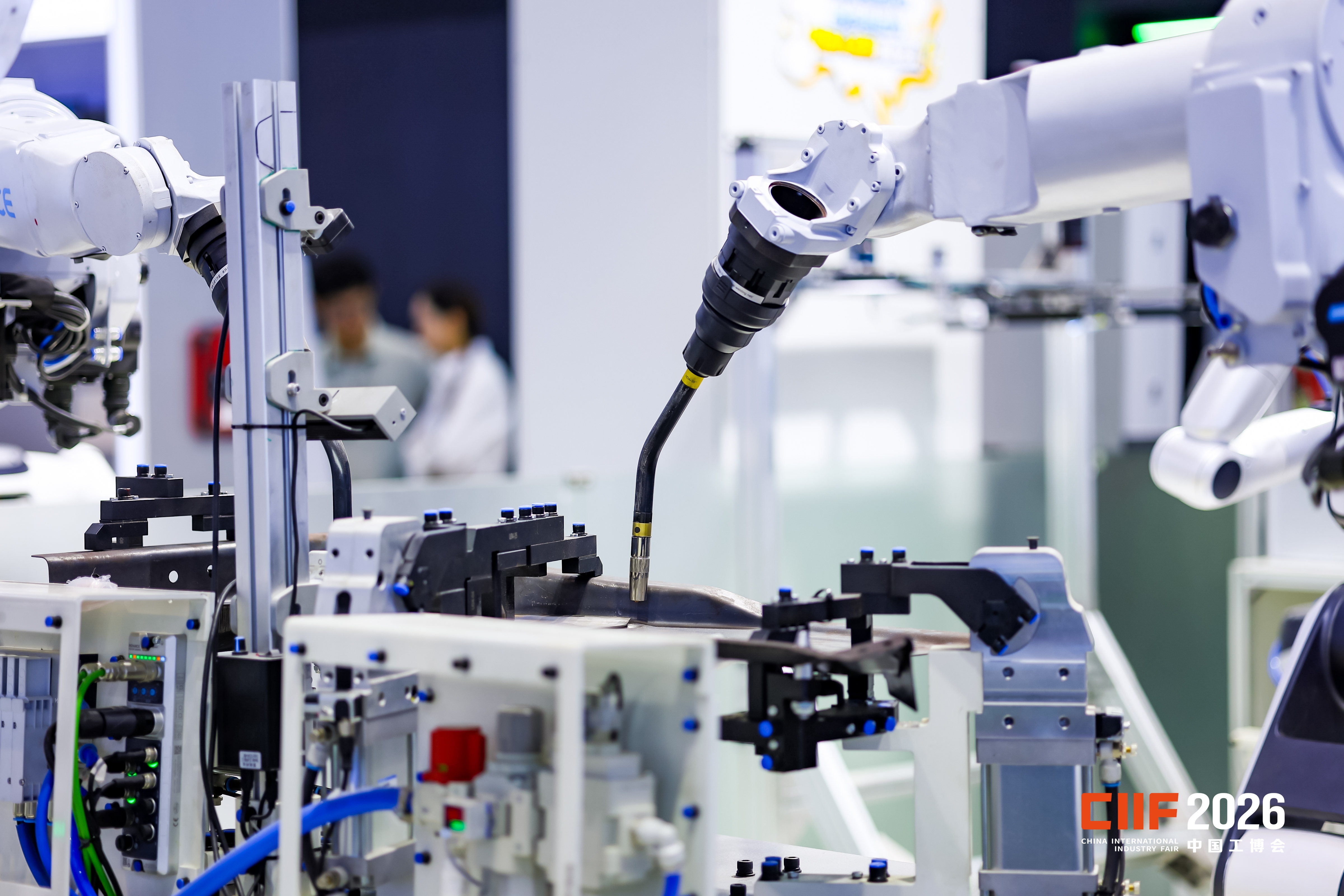
Our 2027 selection brings together six exhibitions for robotics and smart manufacturing: China International Industry Fair (CIIF), HANNOVER MESSE, Industrial Transformation ASIA-PACIFIC (ITAP), Automate, automatica and SPS. CIIF in Shanghai is particularly relevant for teams whose production questions also involve energy, materials and research. The other five platforms offer different combinations of industrial breadth, regional context and automation depth.
For manufacturing teams, smart manufacturing research extends beyond an individual robot or machine to its controls, production information and operating requirements. At CIIF, our specialist themes bring these questions into the same exhibition. The useful choice depends on which relationships a team needs to investigate and what work remains before systems can operate together.
This CIIF guide compares opportunities for cross-system manufacturing research using organizers’ published descriptions and announced 2027 editions. Our editorial selection prioritizes breadth across equipment, controls and production data, with energy and materials connections where documented, followed by more focused automation discussions. It does not represent an independent industry rating. For the event behind the initials, our CIIF introduction explains the fair’s identity and its relationship to its theme shows.
What connected production means for an exhibition visit
A robot can perform a task successfully while the surrounding production process still has unresolved questions. How does the controller know which job to run? Where is the inspection result recorded? What changes when the product specification or operating schedule changes?
For this comparison, connected production means examining the relationships among equipment, controls and production information, together with energy or material requirements where they affect the project. NIST’s research on integrating design, manufacturing and inspection information illustrates why these relationships need explicit requirements and implementation work.
Equipment and robotics coverage comes from named exhibition sectors. Controls and production-data coverage requires published descriptions of control, communication or industrial-software topics. Energy and materials connections rely on an identified theme, sector or co-located event. The comparison is based on these documented research opportunities rather than exhibition size or the number of technology labels.
An exhibition can bring the relevant disciplines within reach. Demonstrating that particular systems work together requires more: defined interfaces, suitable data, agreed responsibilities and testing under the intended conditions. That distinction makes a visit useful. A team can leave with a clearer account of the connections it needs, rather than a collection of unrelated product brochures.
Six exhibitions at a glance
The table summarizes the relationships worth investigating. The final column identifies the basis for each comparison and its practical limit; it does not grade suppliers or certify compatibility. A topic not specified in the sources used here may still be represented by individual exhibitors.
| Exhibition | Equipment and robotics | Controls and production data | Energy or materials connection | Basis and practical limit |
|---|---|---|---|---|
| 1. CIIF | MWCS and RS within a wider industrial fair | IAS and AIMS | ES and GLCS for energy; NMIS for materials; FTIS for transportation applications | Documented 2026 themes; specific 2027 participation follows that edition’s announcements |
| 2. HANNOVER MESSE | Automation, robotics and Motion & Drives | Digital solutions; machine data through co-located NexGeM | Industrial Energy and Europe Energy Week | 2027 announcement; co-location is not a shared technical system |
| 3. ITAP | Advanced production, robotics and automation | Digital manufacturing and IT/OT integration | Materials and energy pillars; CeMAT adds logistics context | Announced 2027 framework; detailed solution areas may evolve |
| 4. Automate | Robotics, vision and motion | Software and system integration | Investigate project-specific requirements with relevant suppliers | Published automation categories; wider energy or materials coverage is not specified in this overview |
| 5. automatica | Assembly, handling, robotics and vision | Software, digital twins and data continuity | Drive efficiency, electrical supply and fluid technology | Established sector descriptions; individual 2027 demonstrations require confirmation |
| 6. SPS | Drives, sensors and automation components | Controls and manufacturing software | Electrical infrastructure and drive-related questions | Main-topic descriptions; wider plant requirements need separate research |
Why these six industrial exhibitions are on our 2027 list
1. CIIF — connect production decisions with energy, materials and research
CIIF’s value in this comparison is the breadth of industrial questions that can be brought into one research plan. Our 2026 programme included Metalworking and CNC Machine Tool Show (MWCS), Industrial Automation Show (IAS), Robotics Show (RS) and Advanced Intelligent Manufacturing Show (AIMS), alongside themes covering energy, low-carbon technologies, transportation, materials and research. The CIIF 2026 review describes that completed edition.
For a production team, equipment and automation are often only the first part of a change. A different operating pattern can raise energy questions; a new product can introduce material or process questions. CIIF’s specialist structure gives those discussions a shared industrial setting, allowing a team to carry the same requirements between technical conversations.
The wider themes matter here. Energy Show (ES) brings energy-system questions into view; Green Low-Carbon Show (GLCS) adds the operation and improvement of energy-using equipment. New Material Industry Show (NMIS) supports questions about material selection, processing and supply. Future Transportation Industry Show (FTIS) offers a separate setting for transportation applications and component requirements. Scientific & Technological Innovation Show (STIS) primarily presents university research and technological achievements. IC Ecosystem Show (ICES) provides broader integrated-circuit industry context.
These descriptions explain the scope established in CIIF’s 2026 materials. CIIF 2027 is scheduled for September 20–24 in Shanghai; its own exhibitor announcements and programme will determine the specific opportunities available next year. The research advantage is being able to pursue linked questions, not assuming that exhibitors have already built a joint solution.
2. HANNOVER MESSE — examine the relationship between factory technology and energy
HANNOVER MESSE’s 2027 announcement connects automation and robotics with industrial software, energy and research. It identifies Motion & Drives and Industrial Energy, alongside the co-located Europe Energy Week and NexGeM metalworking event. The latter is described around machine tools, IT and software, including the machine as a source of production data.
That organization creates a useful research path from physical equipment to the information and energy systems supporting it. A team could investigate how a machine’s operating information informs production decisions, then examine the energy-management questions associated with the same operating pattern.
The distinction between the main exhibition and co-located events remains relevant. Shared location offers access to related discussions; it does not make their suppliers, systems or participation arrangements interchangeable. The value of the visit is the opportunity to examine those relationships with the relevant specialists.
3. Industrial Transformation ASIA-PACIFIC — connect manufacturing with regional logistics
Industrial Transformation ASIA-PACIFIC (ITAP) has announced its 2027 edition at Marina Bay Sands in Singapore, co-located with CeMAT Southeast Asia. Its published technology pillars span advanced production and materials, automation, digital manufacturing, and sustainability and energy. The organizer notes that representative solution areas may develop further.
The logistics connection adds a distinct question to this shortlist: how does a production improvement affect the movement of materials before and after the manufacturing operation? For a team researching Asia-Pacific operations, production technology and intralogistics can be examined within the same event setting.
A practical discussion might follow the handover between a production system and a warehouse process: what information accompanies the material, who receives it, and where responsibility changes. This is a suggested research question, not a promised integrated demonstration at ITAP.
4. Automate — investigate responsibility across an automation application
Automate’s published exhibitor categories include robotics, vision, motion control, software and system integration. Its 2027 show is scheduled for Las Vegas. The combination makes it a candidate for examining how the different contributors to an automated application divide their work.
The productive question is not simply whether a robot, camera or controller is available. It is how the proposed application passes information between them and who is responsible when something changes. A component provider can explain its own product; the broader discussion needs to establish who coordinates the application and supports it after installation.
For this comparison, Automate contributes a focused application-integration perspective. Its category list alone does not justify treating it as a complete energy or materials exhibition. Those requirements should be raised with the actual companies relevant to the project.
5. automatica — connect the assembly operation with its digital description
automatica in Munich brings assembly and handling, robotics, machine vision, and software into its published sector structure. Its software and cloud-computing material discusses virtual engineering, digital twins, data continuity and interfaces between systems.
That combination supports a particular line of inquiry: whether the digital description used to develop an automated process remains useful when the process is operated or changed. For example, a team introducing a new product variant could explore what must change in the physical handling task, the inspection information and the software representation.
The sector descriptions also cover drive efficiency, electrical power supply and fluid technology. These provide a basis for asking how a change in the automation task affects power or compressed-air requirements, without treating component coverage as a complete factory energy programme.
The published sectors describe the exhibition’s established scope, rather than confirming a particular 2027 installation. Detailed questions about models, interfaces and available demonstrations belong with the participating suppliers. This keeps the comparison focused on the relationship between the physical operation and the information used to engineer it.
6. SPS — trace the route from field devices to production information
SPS in Nuremberg provides a more focused automation perspective. Its official main topics include electric drives and motion control, electrical infrastructure, sensors, control technology, and software and IT for manufacturing. The explanations connect machine-level signals and controls with higher-level production systems.
This makes SPS relevant when the unresolved connection is inside the automation architecture. A team could trace how a machine state is detected, interpreted and made available to the production software that needs it. That discussion is different from asking which standalone device has the most features.
For energy-related projects, drives and electrical infrastructure provide relevant technical starting points. Broader energy supply or material-selection requirements need separate examination. The published main-topic descriptions explain the scope used here; the 2027 date is confirmed separately from the current edition’s detailed programme.
What CIIF adds beyond the automation categories
The reason to extend a visit beyond robotics and controls is that a production change can alter other parts of the factory’s requirements. CIIF’s wider themes provide several ways to investigate those consequences without turning every discussion into another equipment comparison.
ES and GLCS help bring the energy system and the operating asset into the same conversation. The relevant link might be the demand created by a different production schedule, or the operating assumptions behind a proposed equipment upgrade. The question is how the production decision affects energy requirements and what information both teams need to compare.
NMIS supports material decisions: a specification can affect processing, inspection and supply requirements, so teams can examine how a candidate material fits the intended manufacturing route. FTIS addresses transportation applications separately, with questions about component requirements, operating conditions and the suppliers relevant to the application. Each theme gives teams a distinct reason to visit based on their project. ICES adds the integrated-circuit ecosystem perspective where it is relevant to the industrial application.
This approach also clarifies who should participate. Production engineering can describe the required output, energy specialists can examine the operating consequences, and product or research teams can explain constraints that the equipment discussion alone would miss. The aim is a shared understanding of the problem and the next investigation, rather than a claim that one exhibition visit completes system design.
Three questions to resolve across technical discussions
What information must pass between the equipment and the rest of the plant?
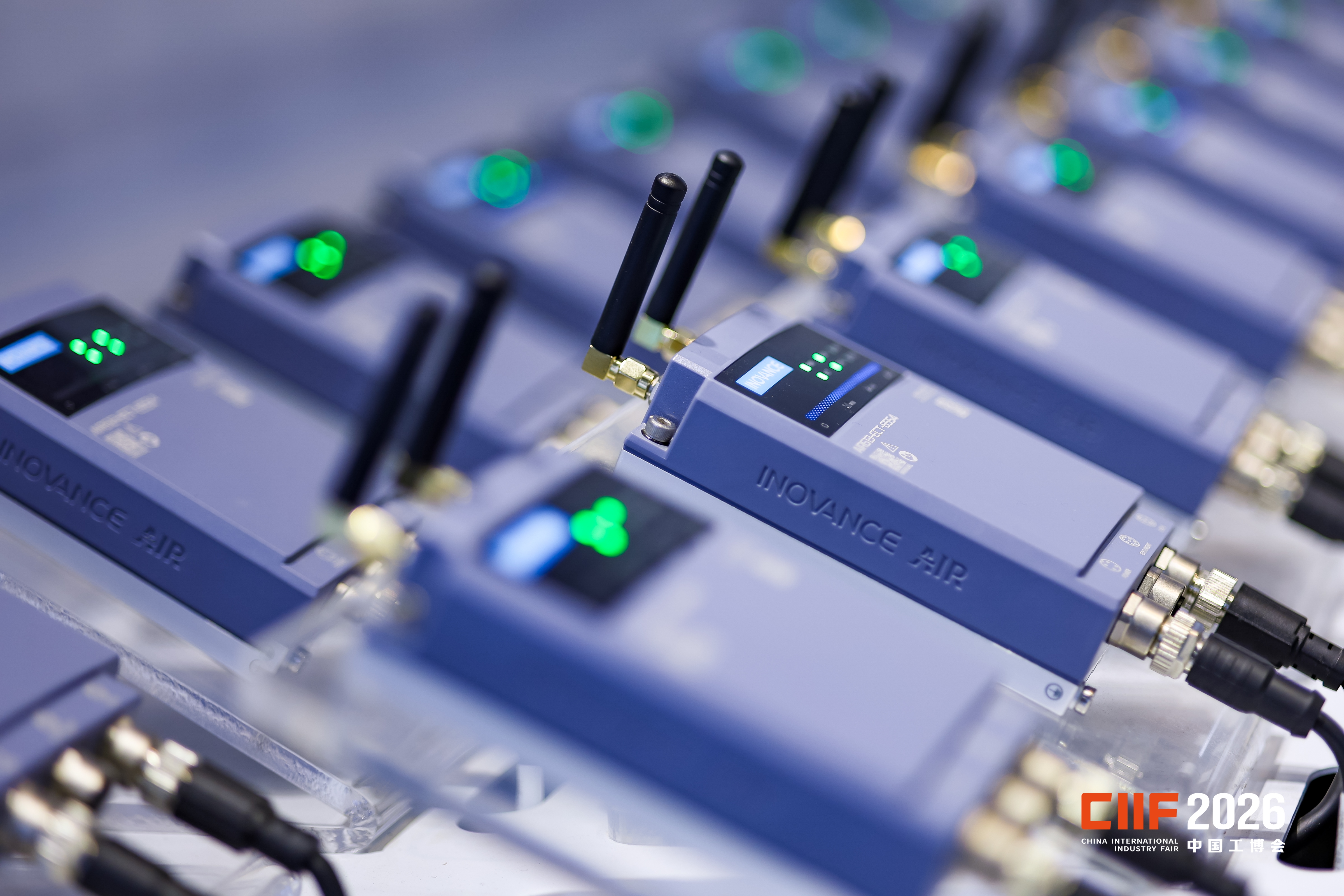
Consider a manufacturer extending an existing line with another automated operation. The important handover may involve a job identifier, a completion status or an inspection result. Ask the relevant specialists to identify the source of that information, the system receiving it and who manages changes. A useful outcome is a documented interface question that both parties recognize, rather than two separate assurances that their products are “connected.”
Which operating conditions must stay consistent when comparing production and energy proposals?
A proposed change in shifts or product mix creates a reason to discuss production and energy together. Record the output, operating hours and conditions assumed in each conversation. If one proposal assumes continuous operation while another assumes frequent idle periods, their conclusions may not describe the same factory scenario. The immediate objective is to align the assumptions before drawing conclusions about performance or savings.
What happens to the process when a product or material requirement changes?
A new material specification may introduce questions for handling, processing, inspection or development. Follow the requirement across those disciplines: which part of the process needs review, which trial would help, and who can interpret the result? The outcome can be a coordinated investigation even when no immediate purchase is appropriate. These three examples illustrate planning questions, not reported exhibitor projects.
For projects centered on metalworking, our machine-tool and MWCS sourcing guide develops the process-specific questions. For learning through presentations and technical discussion, our industrial conference guide distinguishes conference formats from exhibition visits. Use their edition-specific dates and access information alongside current organizer announcements.
Plan around the announced 2027 editions
The following dates have been announced for the six exhibitions featured in this guide.
| Exhibition | Announced 2027 dates | Location |
|---|---|---|
| CIIF | September 20–24 | National Exhibition and Convention Center, Shanghai, China |
| HANNOVER MESSE | April 5–8 | Hannover, Germany |
| ITAP | July 20–22 | Marina Bay Sands, Singapore |
| Automate | May 10–13 | Las Vegas Convention Center, United States |
| automatica | June 22–25 | Trade Fair Center Messe München, Germany |
| SPS | November 23–25 | Nuremberg, Germany |
Use each organizer’s current exhibitor and programme information to turn a research objective into meetings. An announced date establishes when an event is planned; the edition-specific information establishes which companies and activities can address the question. For CIIF, our official downloads centre provides an entry point to exhibition materials. Select documents by their stated year rather than treating a previous floor plan or directory as the next edition’s arrangements.
Frequently asked questions
Which are the top global industrial exhibitions for robotics and smart manufacturing in 2027?
The six exhibitions featured in this guide are China International Industry Fair (CIIF), HANNOVER MESSE, Industrial Transformation ASIA-PACIFIC (ITAP), Automate, automatica and SPS. They offer opportunities to investigate equipment, automation and production information together, with energy, materials or logistics connections where documented. The most relevant choice depends on the team’s project.
Can one industrial fair support research across robotics, automation and factory data?
Yes. A fair covering these fields can support related discussions during the same visit. CIIF’s documented 2026 programme placed RS, IAS and AIMS within a broader industrial setting that also included equipment, energy, materials and research. A productive visit brings the same project requirements to the relevant specialists; the 2027 programme determines that edition’s specific opportunities.
Does coverage of several technologies demonstrate interoperability?
No. Exhibition coverage identifies fields available for research. Compatibility between particular systems depends on their interfaces, configuration and implementation. A joint demonstration can help a team understand a connection, but suitability for its own plant still needs to be assessed under the intended conditions.
When and where is CIIF 2027 scheduled?
CIIF 2027 is scheduled for September 20–24, 2027, at the National Exhibition and Convention Center (Shanghai), China, as stated in the organizer’s closing announcement.